
Who we are
Abandoned Rabbits is the educational and advocacy branch of Rabbitats Rescue Society, a rabbit rescue based in Richmond, BC.
What we do
- Tracking: We map sightings of dumped pet rabbits and the feral colonies they leave behind, reported by the public. Every report shows where rabbits need help, and together they show how big the problem is. See the map.
- Supporting rescues: We connect sightings with the rescues working in each area, and keep a directory of rabbit rescues so people who find a rabbit know who to contact.
- Advocating: We push for stronger laws and regulations against abandoning rabbits, and for better enforcement of the laws that already exist, using what the sightings show.
Why it matters
- Government of Canada, 1985. Cruelty to Animals. Criminal Code of Canada, section 446(1)(b).
- Government of British Columbia, 1996. Offences. Prevention of Cruelty to Animals Act, section 24(1).
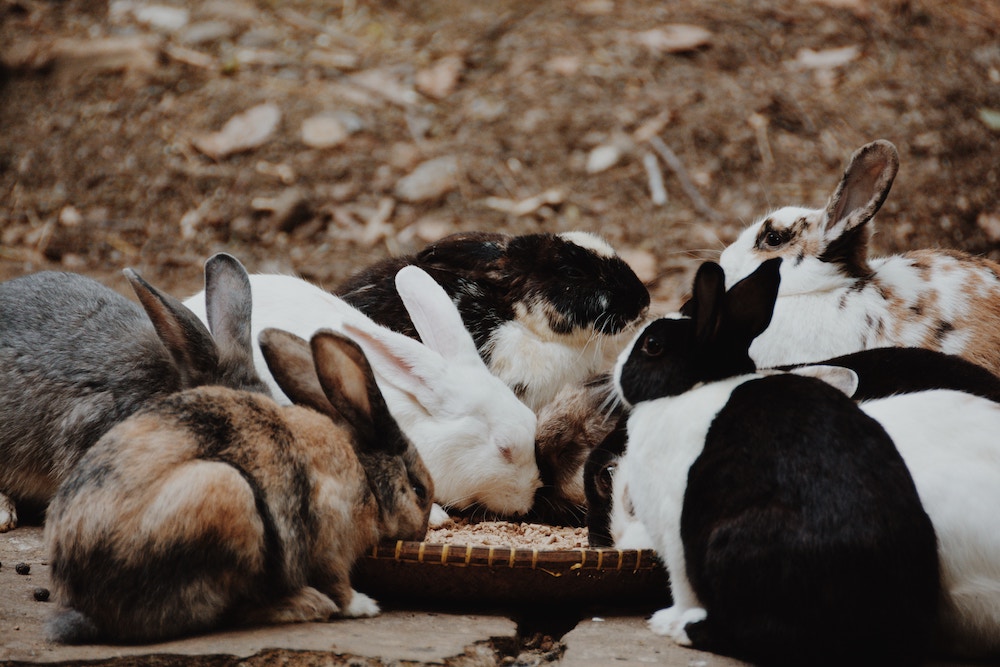
What happens to dumped rabbits
Feral rabbits are not wild rabbits. They are domestic rabbits living outside: pets that were dumped or escaped, and the offspring they have once they’re out there. Not sure whether a rabbit is domestic?
Feral rabbits can sometimes form large colonies and adapt to their new surroundings, but they can also face challenges like predators, disease, and competition with native wildlife. In some areas, they can become invasive and impact local ecosystems, as they may damage vegetation and compete with native species for resources.
Welfare issues
Feral rabbits face several welfare issues that can impact their health and well-being:
- Disease and parasites: Feral rabbits are susceptible to various diseases and parasites, such as rabbit hemorrhagic disease (RHD), which can be fatal. They may also suffer from fleas, ticks, and internal parasites like worms.
- Food and water scarcity: In the wild, feral rabbits may struggle to find adequate food and water. Their diet might not be as nutritious as what they would receive in a domestic setting, leading to malnutrition or starvation, especially in harsh weather conditions or during times of food scarcity.
- Injuries and predation: Feral rabbits are at risk of injury from predators, such as birds of prey and domestic animals like dogs and cats. They might also suffer from injuries caused by fights with other rabbits or be hit by cars.
- Harsh environmental conditions: Exposure to extreme weather conditions, such as heatwaves, cold snaps, or heavy rainfall, can be detrimental to their health. They may lack adequate shelter to protect them from these conditions.
- Social stress: While rabbits are social animals, feral populations can become overcrowded, leading to stress, aggression, and competition for resources. This can result in fights, injuries, and behavioral issues.
- Lack of veterinary care: Feral rabbits do not have access to veterinary care, which means that injuries, illnesses, or other health issues can go untreated, leading to suffering and, often, a reduced lifespan.
- Reproductive challenges: Overpopulation can occur in feral rabbit colonies, leading to increased competition for limited resources and higher stress levels. Additionally, high birth rates can exacerbate issues related to food and shelter availability.